

YuTube and FIFA held their first Creator Cup in New York City as part of a wider plan to reach younger World Cup audiences through creators. The event showed how sports organizations can blend together live video, creator communities, and sponsor content, though those combined subscriber totals shouldn’t be counted as verified viewership.
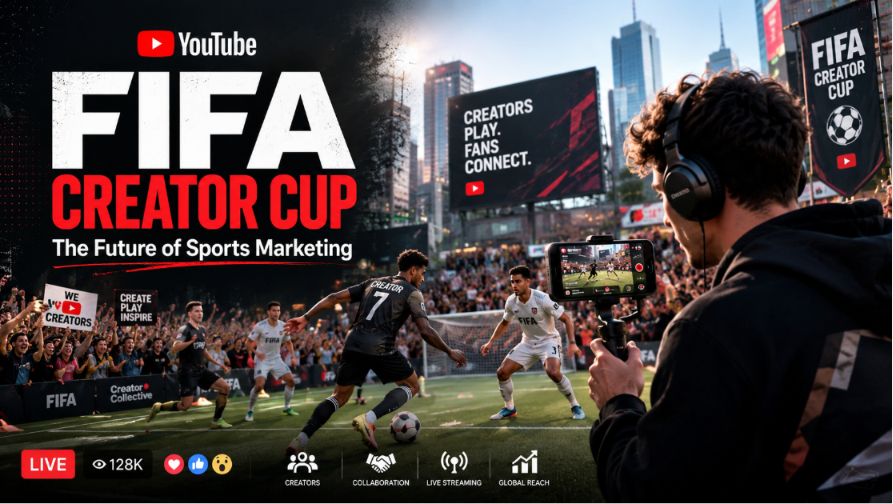
News Summary:
On July 12, 2026, YouTube and FIFA held their first-ever Creator Cup in New York City.
The event was led by creator IShowSpeed and streamed on FIFA’s and IShowSpeed’s YouTube channels.
Participating creators had more than 270 million combined subscribers.
The event formed part of a wider FIFA plan to use YouTube and creators to reach younger, digital-first fans.
YouTube and FIFA did more than stage a creator football match in Central Park.
They built a distribution network.
The first YouTube FIFA Creator Cup brought together online creators, athletes, football figures, and brand partners for a live event at Wollman Rink in New York City on July 12.
The match was streamed worldwide through FIFA’s official YouTube channel and simulcast on the channel of creator IShowSpeed. The creators involved had more than 270 million subscribers between them, according to YouTube.
That number does not mean 270 million people watched the event. It represents the creators’ combined subscriber bases.
But it shows why the format matters.
Instead of relying on one television audience or one official social account, FIFA and YouTube connected the event to many separate creator communities at the same time.
The Creator Cup was built for distribution, not just entertainment.
Traditional sports events usually depend on a central broadcaster.
A creator-led event works differently.
Each participant arrives with an audience, a style of communication, and a group of fans who may not follow FIFA’s official accounts. When those creators publish clips, reactions, behind-the-scenes videos, and short-form posts, the event can travel far beyond the original livestream.
YouTube said the Creator Cup featured players from more than 40 countries. IShowSpeed served as a captain, while football figures and digital creators joined the wider event.
Dove Men+Care and Lay’s were named as livestream partners.
This created four connected layers of distribution:
FIFA’s official channels
YouTube’s platform promotion
The creators’ individual audiences
Sponsor and media amplification
That structure is more important than the final score.
It turns one live event into many pieces of content that can continue reaching viewers after the match ends.
Why FIFA wants creators close to the World Cup
The Creator Cup was not a stand-alone experiment.
It is part of a wider agreement that made YouTube a preferred platform for the 2026 FIFA World Cup.
Under that agreement, World Cup broadcast partners can publish more highlights, behind-the-scenes footage, short videos, and selected live match content on YouTube. FIFA also promised greater access for a worldwide group of creators.
Some rights-holding broadcasters can stream the first 10 minutes of matches on their YouTube channels. The goal is to attract viewers and direct them toward full coverage through official broadcasters.
The arrangement gives FIFA a way to reach people who may discover football through a creator rather than through a sports network.
The Associated Press has reported that FIFA is using streaming platforms and digital personalities to connect with younger audiences who expect more informal and interactive coverage.
That shift does not mean television has stopped mattering.
It means major sports groups no longer expect one screen, one channel, or one style of coverage to reach everyone.
Creators give sports events a different kind of reach.
Creators do not simply provide large follower counts.
They provide context.
A creator can explain an event in familiar language, show parts of it that official coverage misses, and speak directly to a specific community. It can help make a big world event feel more intimate.
It can help FIFA turn casual watchers into active fans.
For YouTube, it creates more viewing before, during, and after matches.
And for creators, official access can produce content that would be difficult to make without a platform or sports partner.
But raw subscriber totals should be treated with care.
Many fans may follow more than one participating creator. Some accounts may be inactive. And only part of each audience will see or watch the content.
So a combined reach figure is not the same as unique viewers.
The biggest marketing lesson: access is becoming media inventory.
Sports sponsorship once focused heavily on signs, television spots, and logo placement.
Creator access adds another form of value.
A brand can now appear in livestreams, creator posts, short clips, interviews, and behind-the-scenes content. The event becomes a source of media that can be cut into many formats.
That gives sponsors more ways to appear in front of audiences.
But it also makes measurement harder.
A marketer studying a campaign like the Creator Cup should not stop at subscriber counts or video views. The campaign should be measured across several areas:
Unique viewers
Livestream watch time
Peak concurrent viewers
Repeat views
Creator-audience overlap
Branded search growth
Social mentions
Clip performance
Website visits
Sales or sign-ups
Without that data, a large reach claim can sound more useful than it really is.
What creators and brands can learn from the event
The Creator Cup offers a repeatable model for other industries.
A software company, online course business, or e-commerce brand may not be able to build a global football event. But it can still use the same structure.
Start with one clear event or story.
Bring in creators whose audiences have a real reason to care.
Give each creator material that fits their normal style instead of forcing everyone to publish the same advertisement.
Then plan content for before, during, and after the event.
The event itself may last one hour. Its useful life should be much longer.
A practical campaign model
A smaller business could apply the Creator Cup approach through the following:
A live product challenge
An expert roundtable
A creator competition
A public build session
A virtual workshop
A community-led product launch
The key is to treat creators as distribution partners, not rented advertising space.
That means involving them early, giving them room to tell the story in their own voice and measuring what each partnership actually produces.
Expert flag: Combined follower counts can hide audience overlap.
The most important number in a creator campaign is rarely the total number of followers.
Ten creators may each have one million followers, but many of those people may follow several of them. Adding all the follower counts together can therefore overstate the real audience.
Brands should ask platforms or agencies for estimated unique reach, audience overlap, and watch-time data.
They should also separate awareness results from business results.
A video can reach millions of viewers without producing meaningful website visits, leads, or sales.
Why this matters for YouTube
YouTube is competing for a larger role in live sports without trying to copy traditional television in every way.
Its strength is not only the livestream.
It is the network around the livestream: search, recommendations, creator channels, Shorts, highlights, comments, and on-demand viewing.
The Creator Cup showed how those parts can work together.
A fan might first see a short clip from a creator, watch part of the live event, search for a player, and later view highlights on FIFA’s channel.
That path is harder to build through a single broadcast.
What happens next?
The larger test will be how YouTube and FIFA use creators during the rest of the 2026 World Cup.
The main questions are not limited to total views.
Publishers and marketers should watch:
Whether creator coverage drives viewers to official matches
Which content formats hold attention longest
How much access creators receive
How sponsors are included
Whether viewers trust creator coverage
How FIFA measures sales, subscriptions, and long-term fan growth
The Creator Cup has shown the model.
The World Cup will show whether that model can work at full scale.
The YouTube FIFA Creator Cup was more than a promotional football match.
It was a test of how a sports organization can combine official media, creator audiences, platform distribution, and sponsor support in one campaign.
The strongest lesson is simple: audience size alone is not the strategy.
The strategy is building a system in which many trusted voices can carry the same event into different communities, then measuring whether that attention creates lasting value.